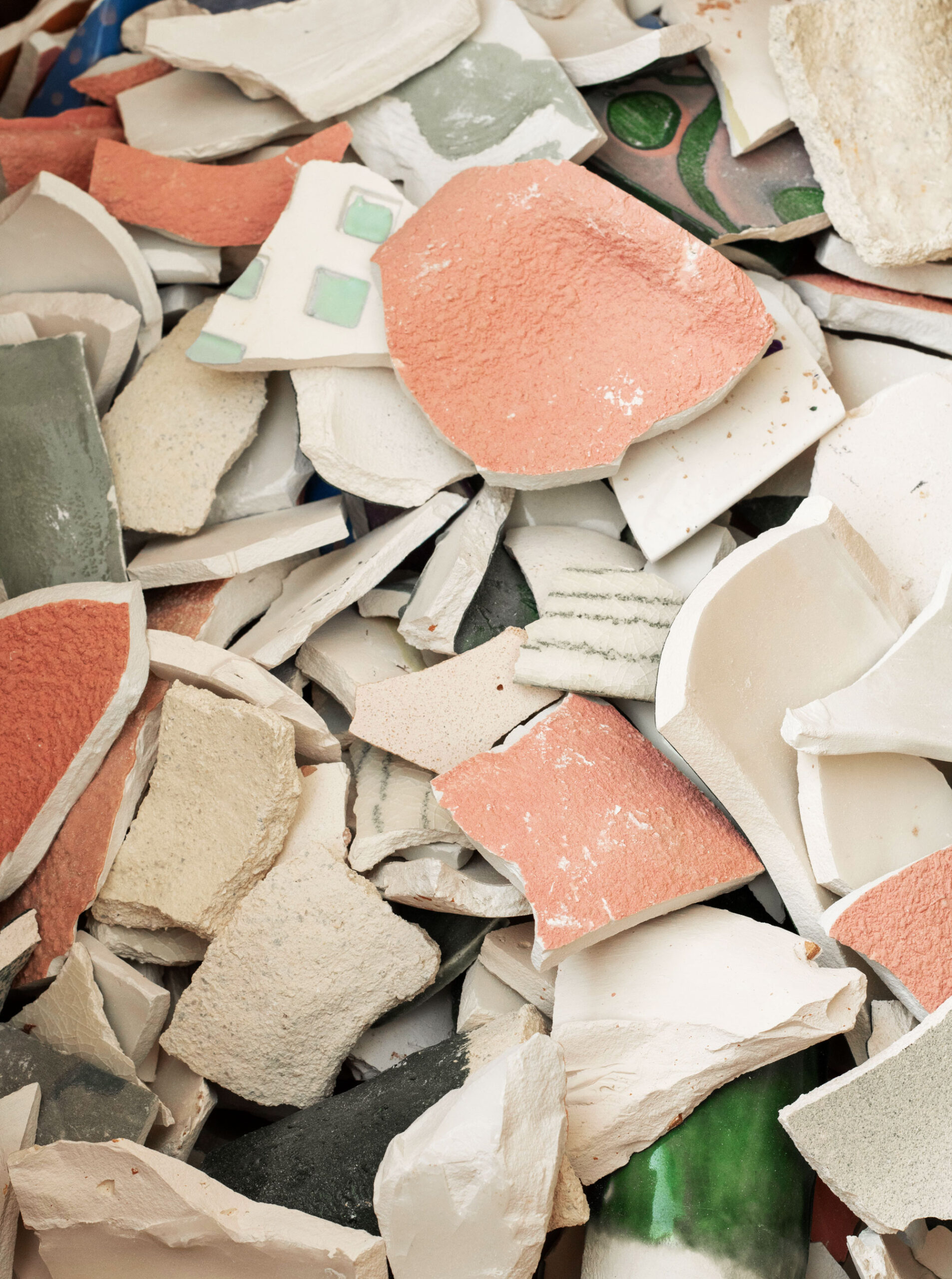
The ceramic industry grapples with a myriad of waste-related challenges, ranging from raw material extraction to manufacturing processes and end-of-life disposal. One significant issue is the generation of excess material during production, leading to inefficiencies and environmental strain. Disposal of unused or defective ceramics further exacerbates the industry’s waste dilemma, often ending up in landfills due to limited recycling options. Moreover, the high durability of ceramics means they persist in the environment for centuries, posing long-term environmental hazards. Addressing these waste issues requires holistic approaches, including resource-efficient production techniques, recycling initiatives, and innovative design strategies to minimize environmental impact throughout the ceramic lifecycle.
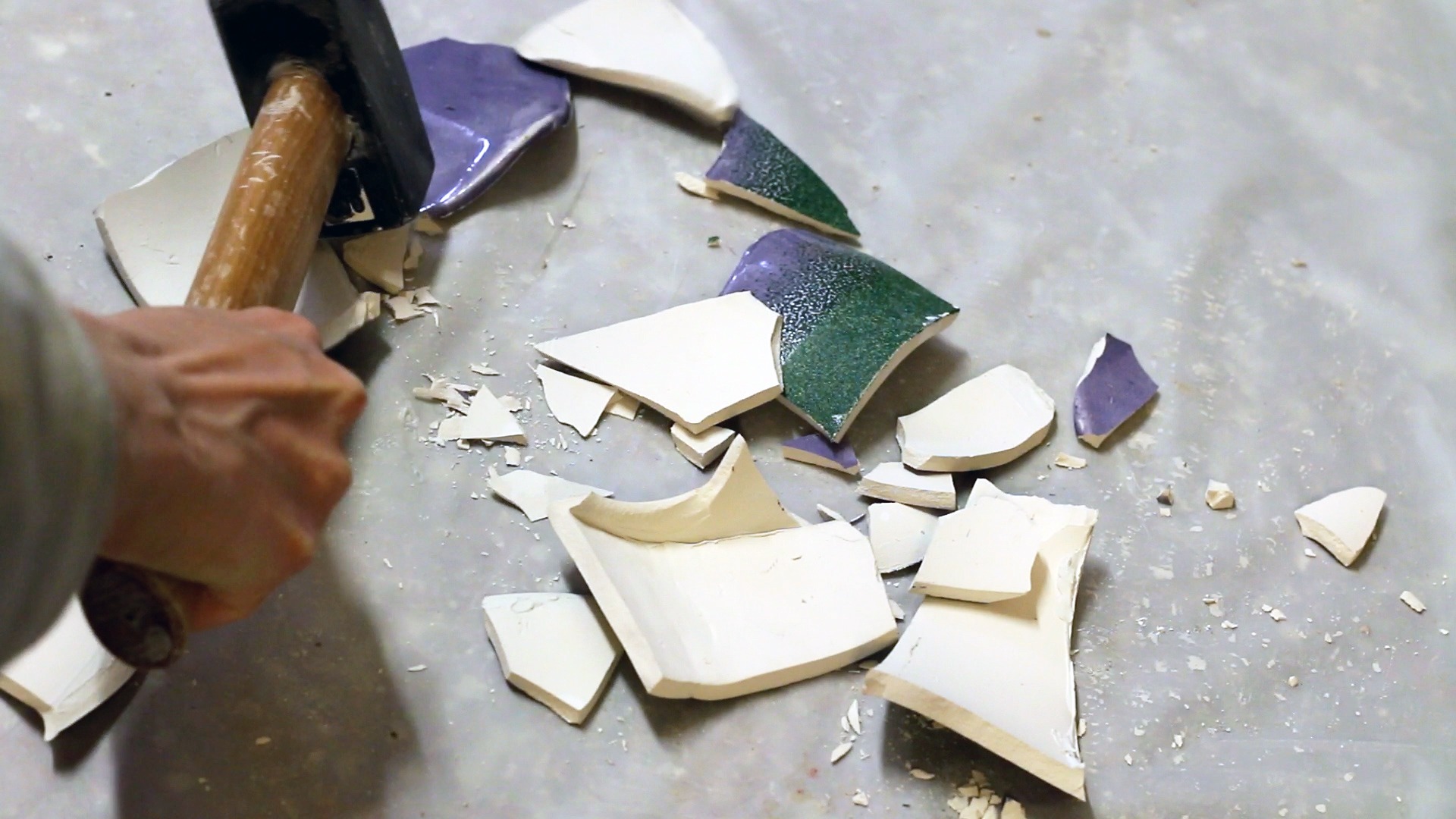
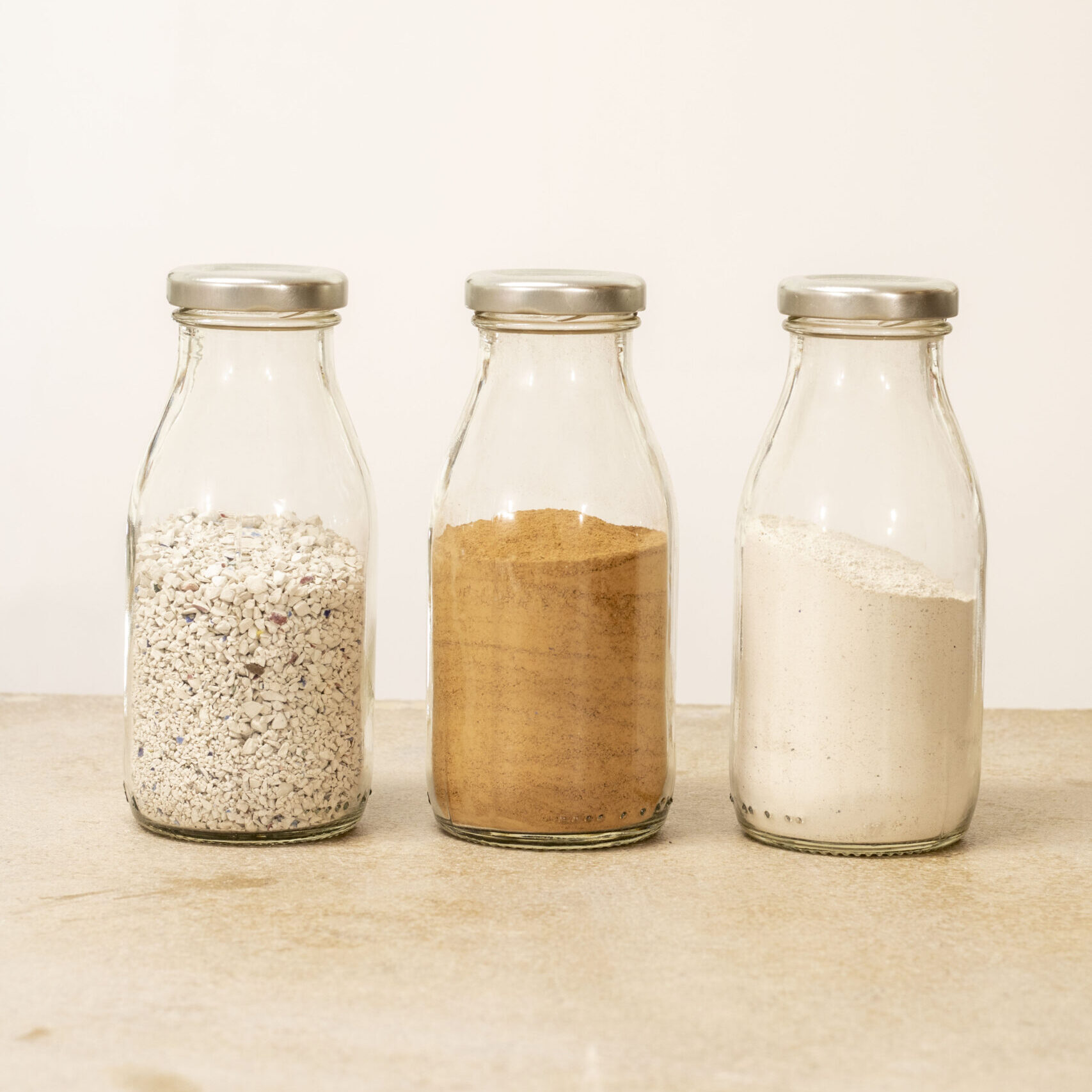
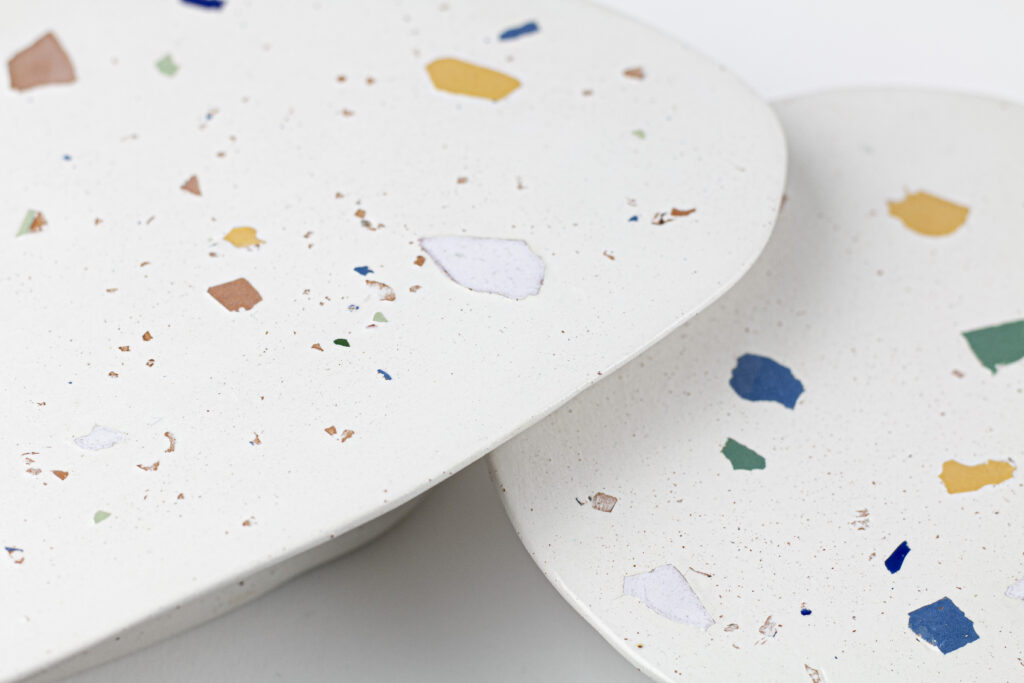
The innovative process of upcycling glazed, fired, and unused ceramics embarks on a long journey to breathe new life into discarded materials. Beginning with the hand crushing of ceramics, the resulting fragments undergo a thorough sieving process, sorting them into various sizes of chamotte and powder. This chamotte is then incorporated into different types of new clay, enriching it with a diverse and sustainable material palette. The blended clay, now infused with the character of recycled ceramics, becomes a versatile medium ready for hand modeling or slip casting. The modelled pieces are fired once again, completing the cycle of transformation. This sustainable approach not only repurposes ceramics that would otherwise go to waste but also contributes to the creation of distinctive, environmentally conscious artworks that bridge the past and present in a celebration of craftsmanship and resourcefulness.